
24 June 2026Materials and Techniques
Alpaca silver in jewellery and crafts: what it is, its advantages and care
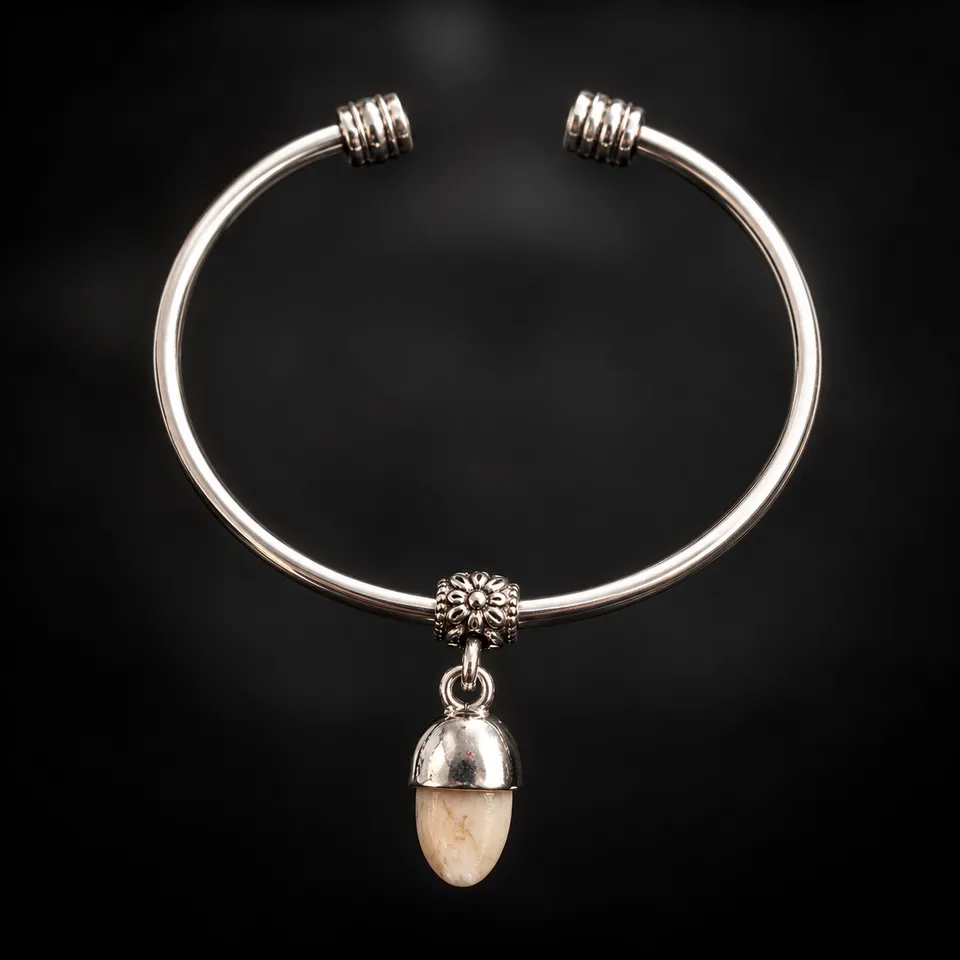
Alpaca silver is one of those materials that takes you by surprise: light, tough, with an elegant silvery shine and an affordable price. We use it mainly in jewellery and accessories, but it is such a versatile metal that it also looks great in handmade lamps, cutlery and decorative pieces. In this guide we explain what it is, how we work it by hand in Cazorla and how to care for your pieces so they last for years.
What alpaca silver is
Alpaca silver (alpaca in Spanish), also known as alpacca, white metal or German silver, is an alloy of copper, nickel and zinc. Despite its name and its silvery look, it contains no silver. It has been used for more than a century in cutlery, musical instruments, decorative objects and, of course, jewellery and accessories.
Its natural silver colour, its strength and how easy it is to work make it a superb choice for craftwork: it can be cut, shaped and polished by hand to a beautiful, long-lasting finish.
Advantages of alpaca silver
It stands up well to everyday wear without losing its shape, ideal for pieces you use often.
Comfortable in earrings and bracelets, and easy to handle in larger pieces.
A lovely silvery tone that works beautifully in both jewellery and home decor.
It makes beautiful, well-made handcrafted pieces possible at a much more affordable price.
Uses: from jewellery to home decor
Although most of our alpaca silver pieces are jewellery and accessories (earrings, bracelets, pendants), this metal is versatile enough for much more:
- Jewellery and accessories: earrings, bracelets, pendants and rings, on their own or combined with natural materials such as deer antler or leather.
- Handcrafted lighting: details and parts for lamps, where the shine of the metal adds warmth.
- Tableware and cutlery: a classic use for alpaca silver, thanks to its strength and silvery look.
- Home decor: small objects and details for the home with that handcrafted finish.
Whatever the piece, the idea is the same: handmade craftsmanship with character, at a reasonable price.
Alpaca silver vs silver: the differences
They are two different materials, each with its own place. Neither better nor worse, just different. Here is what sets them apart, so you can choose with confidence:
Alpaca silver
An alloy of copper, nickel and zinc. Silvery, durable, lightweight and affordable. It is not a precious metal. With simple care it keeps its shine for a long time.
Sterling silver
A precious metal (925). Greater intrinsic value and a higher price. It also needs regular cleaning, because it tarnishes. It is the choice when you are specifically looking for silver.
In our shop you will find pieces in alpaca silver and also in silver: every product clearly states its material, so you always know exactly what you are buying.
Important if you have sensitive skin: alpaca silver contains nickel. If you are allergic to this metal, bear it in mind before wearing a piece in constant contact with your skin.
How we work alpaca silver
In our pieces, alpaca silver is worked by hand, piece by piece. It is cut, shaped and polished until it has that clean silvery finish, and it is combined with other natural materials, such as deer antler or leather, to create pieces with character.
There is no mass production: every piece passes through the craftsman’s hands, and you can see it in the details and in the fact that no two are exactly alike.
Care, maintenance and cleaning
Alpaca silver is easy to look after. With these simple habits it will keep its shine for years:
- Store it dry
Avoid damp. Ideally, keep each piece in its own small pouch or box, so they do not rub against each other.
- Clean it with a soft cloth
Wipe it with a dry or slightly damp cloth after wearing. That is enough to remove sweat and keep it shining.
- Keep it away from water and products
Best to take it off in the shower, the pool or the sea, and when applying perfume or creams: chlorine, salt and chemicals dull it.
- If it loses its shine, rub gently
A metal polishing cloth or a little bicarbonate of soda mixed with water brings back the lustre. No scourers or abrasives.

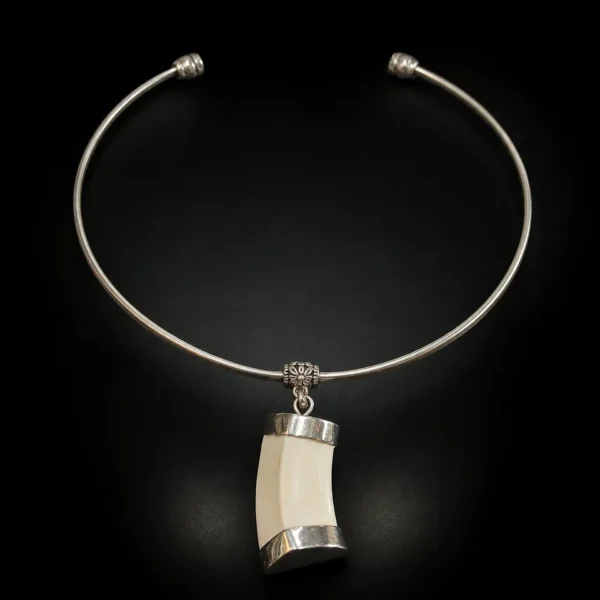

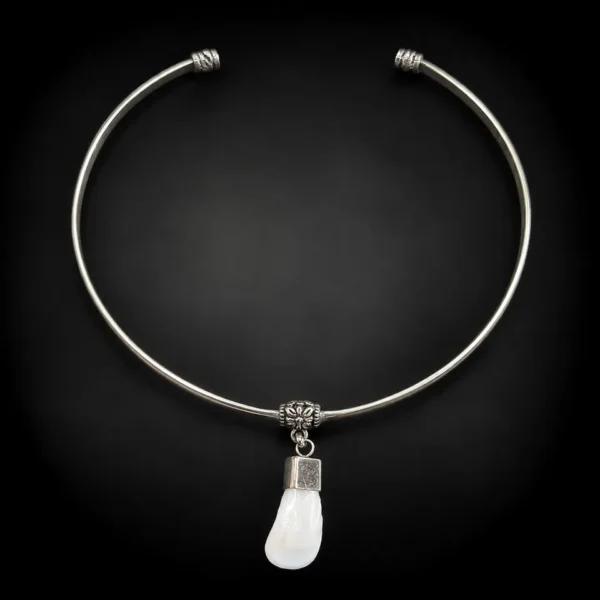
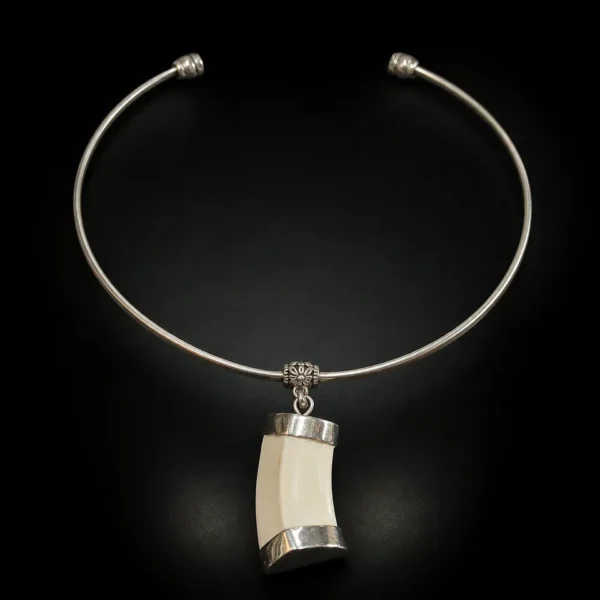
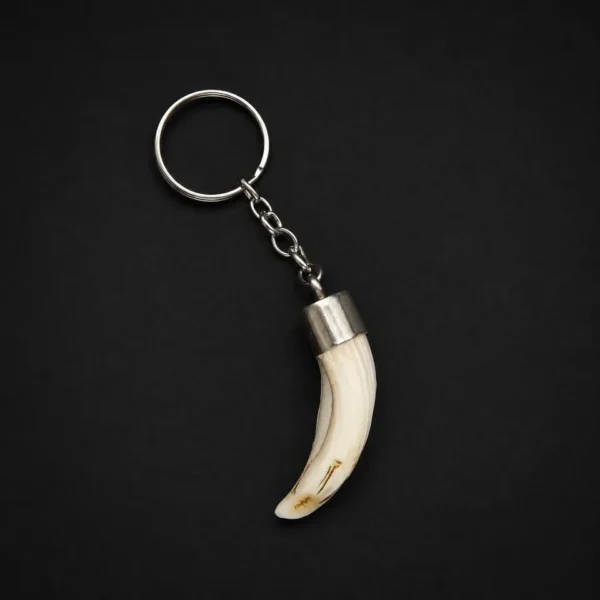

One-of-a-kind pieces, handmade in Cazorla
Discover our alpaca silver accessories and other natural materials, crafted one by one here in the Sierra de Cazorla.
See the collectionFrequently asked questions about alpaca silver
Is alpaca silver real silver?
No. Despite its name and silvery look, alpaca silver is an alloy of copper, nickel and zinc, with no silver in it. That is why it is more affordable than sterling silver.
Can alpaca silver cause an allergy?
It contains nickel, a metal that can cause allergic reactions in sensitive people. If you know you are allergic to nickel, bear this in mind before wearing it against your skin for long periods.
How do you clean alpaca silver?
With a soft cloth, dry or slightly damp. If it has lost its shine, a metal polishing cloth or bicarbonate of soda with a little water will bring it back. Avoid scourers and abrasive products.
What is alpaca silver used for apart from jewellery?
It is a very versatile metal: as well as jewellery and accessories, it is used for cutlery, lamps and decorative objects, thanks to its strength and silvery shine.
Does alpaca silver turn black over time?
It can lose some shine or darken slightly with wear, damp or sweat, just like other metals. It is easily restored with gentle cleaning and by storing it dry.